
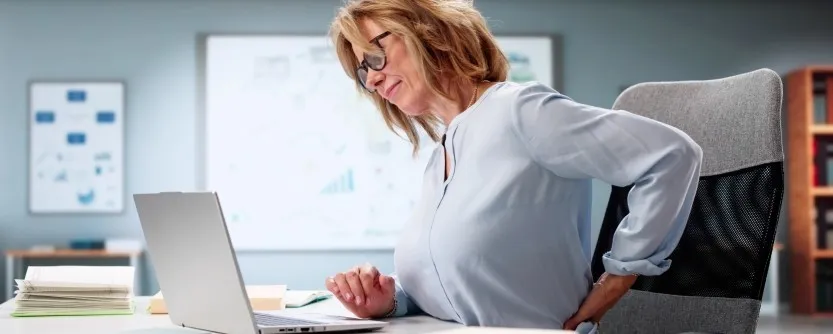
Many people spend most of their day sitting — at a desk, in meetings, commuting, or working from home — without realizing how much stress prolonged sitting can place on the spine and surrounding muscles. It is common for patients to notice stiffness, soreness, tightness, or lower back pain after sitting for several hours, especially toward the end of the workday.
While sitting may seem physically relaxing, the body is actually under continuous strain when posture, movement, and spinal support are not ideal. Over time, prolonged sitting can affect spinal alignment, muscle balance, joint mobility, and even circulation.
At Main Street Wellness, we regularly help patients in Nashua experiencing posture-related back pain, spinal tension, and discomfort caused by long hours of sitting. Identifying the root cause is important because the problem is often related to more than just the chair itself.
Poor Posture Is One of the Biggest Causes
One of the most common reasons back pain develops while sitting is poor posture. Many people naturally begin slouching forward, rounding their shoulders, or leaning toward screens throughout the day without realizing it.
This posture places additional stress on the:
- Lower back
- Neck
- Shoulders
- Spinal discs
- Supporting muscles
As posture worsens, muscles in the back and core often become fatigued from trying to stabilize the body for extended periods.
Patients frequently describe symptoms such as:
- Lower back aching
- Stiffness after standing up
- Tight hips
- Upper back tension
- Neck discomfort
Sitting Places Pressure on the Spine
Many people assume sitting is easier on the body than standing, but prolonged sitting can actually increase pressure on spinal discs, especially when posture is poor.
When seated for long periods, the spine remains compressed in a fixed position with limited movement. This may contribute to:
- Disc irritation
- Reduced circulation
- Joint stiffness
- Muscle tightness
- Reduced spinal mobility
Over time, these stresses can contribute to chronic back pain or worsen existing spinal conditions.
Tight Hip Flexors and Weak Core Muscles
Extended sitting often shortens and tightens the hip flexor muscles located at the front of the hips. At the same time, core muscles and glute muscles may become weaker from lack of movement and activation.
This muscular imbalance can pull the pelvis out of proper alignment and increase stress on the lower back.
Common effects may include:
- Anterior pelvic tilt
- Lower back strain
- Reduced flexibility
- Poor posture
- Muscle fatigue
Patients who sit for work frequently experience both hip tightness and lower back discomfort together.
Lack of Movement Contributes to Stiffness
The body is designed to move regularly throughout the day. Sitting in one position for long periods reduces circulation and limits movement within the spine and surrounding joints.
Without regular movement, muscles and joints may become stiff and less flexible. This is why many people notice discomfort when first standing up after sitting for extended periods.
Even short movement breaks throughout the day can sometimes help reduce stiffness and improve circulation.
Improper Ergonomics Can Worsen Symptoms
The setup of your workstation can significantly affect spinal stress and posture. Poor ergonomics may force the body into awkward positions that strain the spine and muscles continuously.
Common ergonomic issues include:
- Monitors positioned too low
- Non-supportive chairs
- Poor lumbar support
- Incorrect desk height
- Crossed legs while sitting
- Leaning forward toward screens
Over time, these habits can contribute to chronic spinal stress and recurring pain patterns.
Patients dealing with posture-related spinal discomfort often benefit from chiropractic care focused on improving spinal mobility, posture, and overall musculoskeletal function.
Can Sitting Cause Sciatica?
Yes, prolonged sitting may sometimes aggravate sciatica symptoms. Sitting for long periods can place pressure on the lower spine and surrounding nerves, especially if spinal discs are already irritated.
Sciatica symptoms may include:
- Lower back pain
- Hip pain
- Pain radiating down the leg
- Numbness or tingling
- Burning sensations
Patients experiencing radiating nerve pain may benefit from professional sciatica treatment to help relieve nerve irritation and improve spinal function.
How Chiropractic Care May Help
Chiropractic care focuses on improving spinal alignment, mobility, posture, and nervous system function naturally. For patients experiencing sitting-related back pain, treatment may help reduce tension and restore healthier movement patterns.
Treatment recommendations may include:
- Chiropractic adjustments
- Postural correction exercises
- Stretching programs
- Ergonomic recommendations
- Mobility exercises
- Soft tissue therapy
Our goal is not only to reduce pain, but also to help patients address the habits and movement patterns contributing to ongoing discomfort.
When Should You Seek Treatment?
Occasional stiffness after sitting may improve with movement, but persistent back pain should not be ignored. Symptoms that interfere with work, sleep, exercise, or daily activities often indicate that professional evaluation may be beneficial.
It is especially important to seek care if pain becomes more severe or is accompanied by numbness, tingling, weakness, or radiating symptoms.
Back Pain Treatment in Nashua, NH
Back pain after sitting all day is commonly linked to poor posture, spinal stress, muscle imbalances, reduced mobility, and prolonged pressure on the spine. Addressing these issues early may help improve comfort, posture, and long-term spinal health.
Main Street Wellness provides personalized chiropractic care and treatment options for back pain, posture-related conditions, and spinal discomfort in Nashua, NH.
Call us today at (603) 882-5742 to schedule an appointment.